Jackery vs EcoFlow:
which is cheaper per watt-hour?
August 2026.
Updated 23 August 2026.
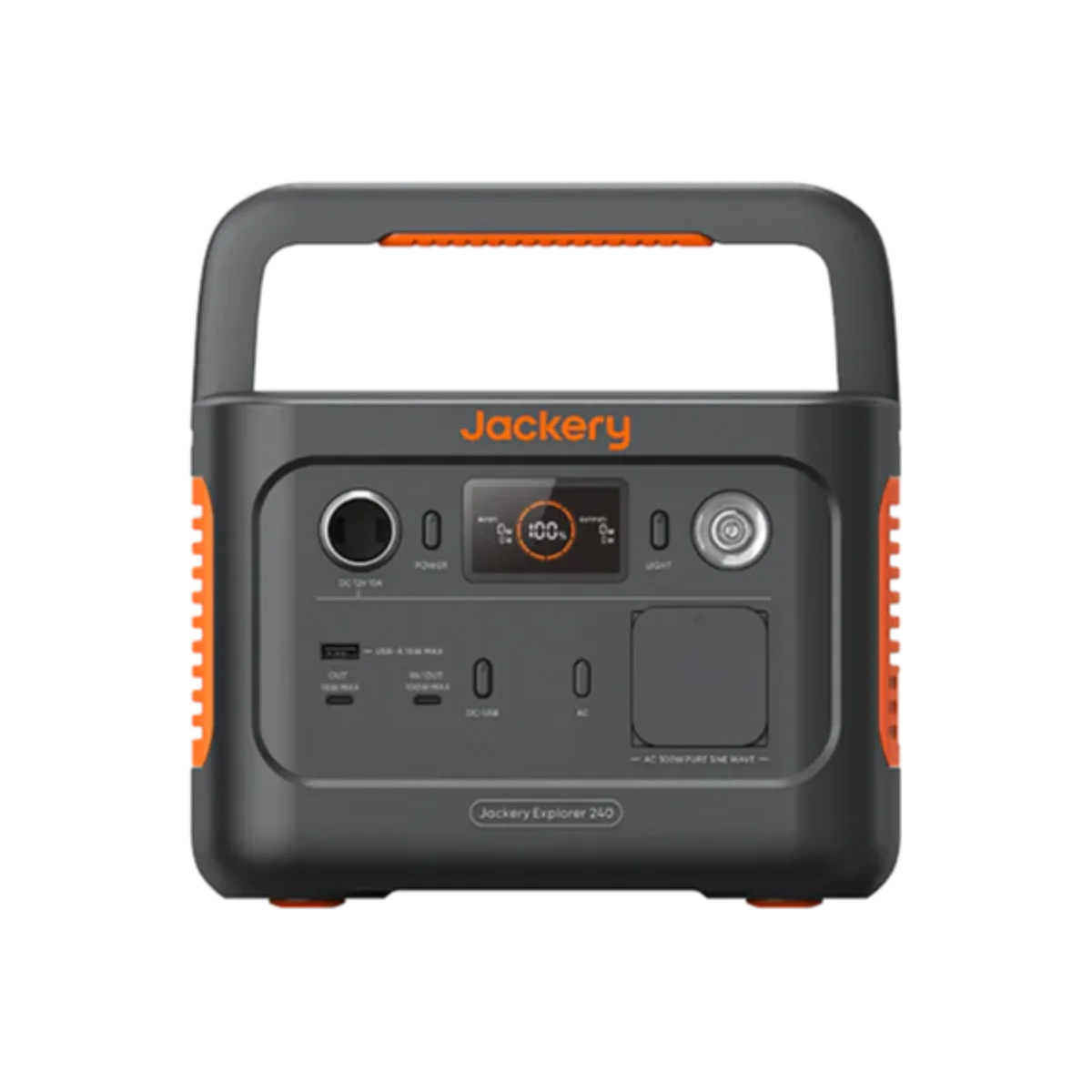
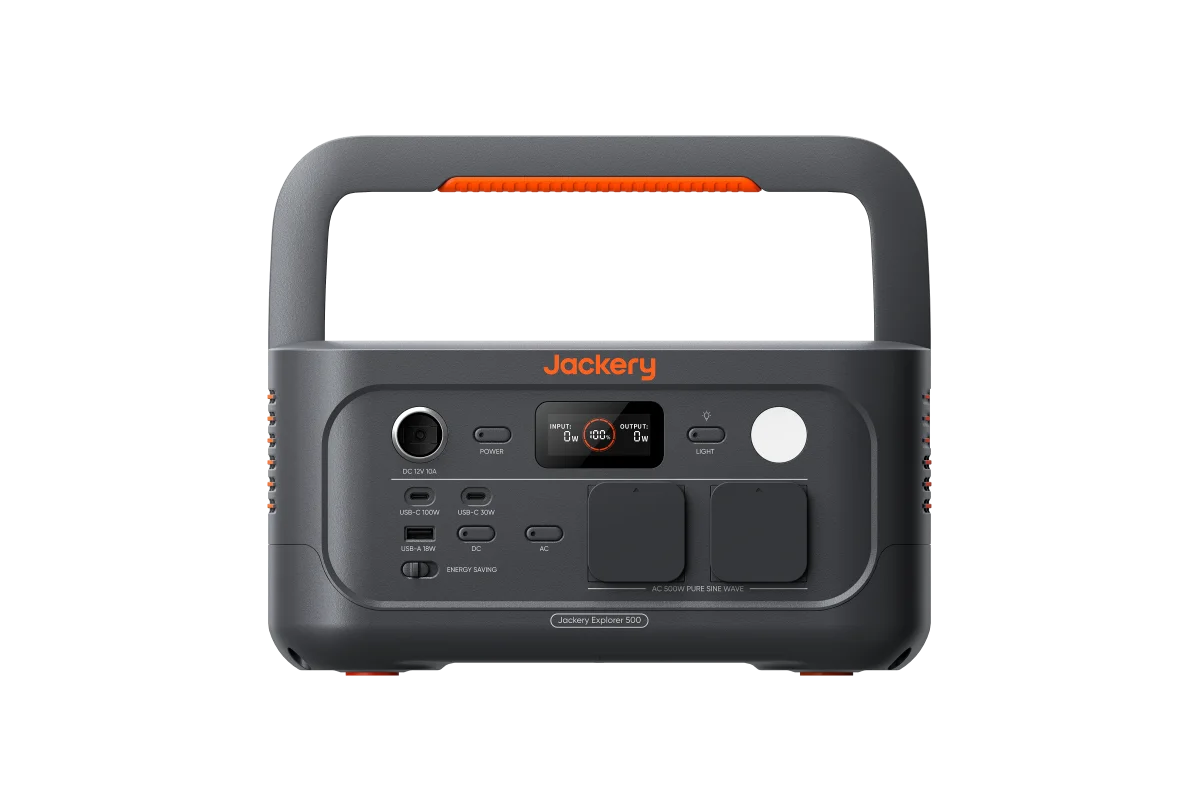
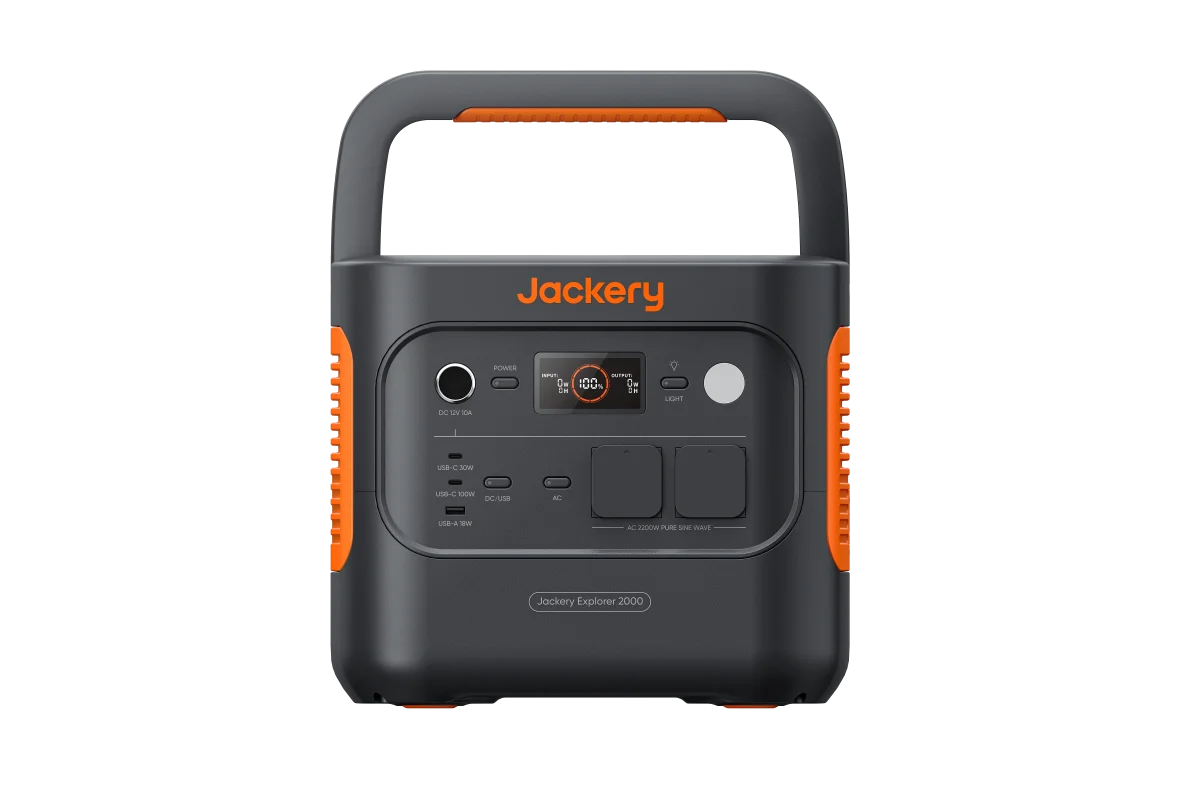
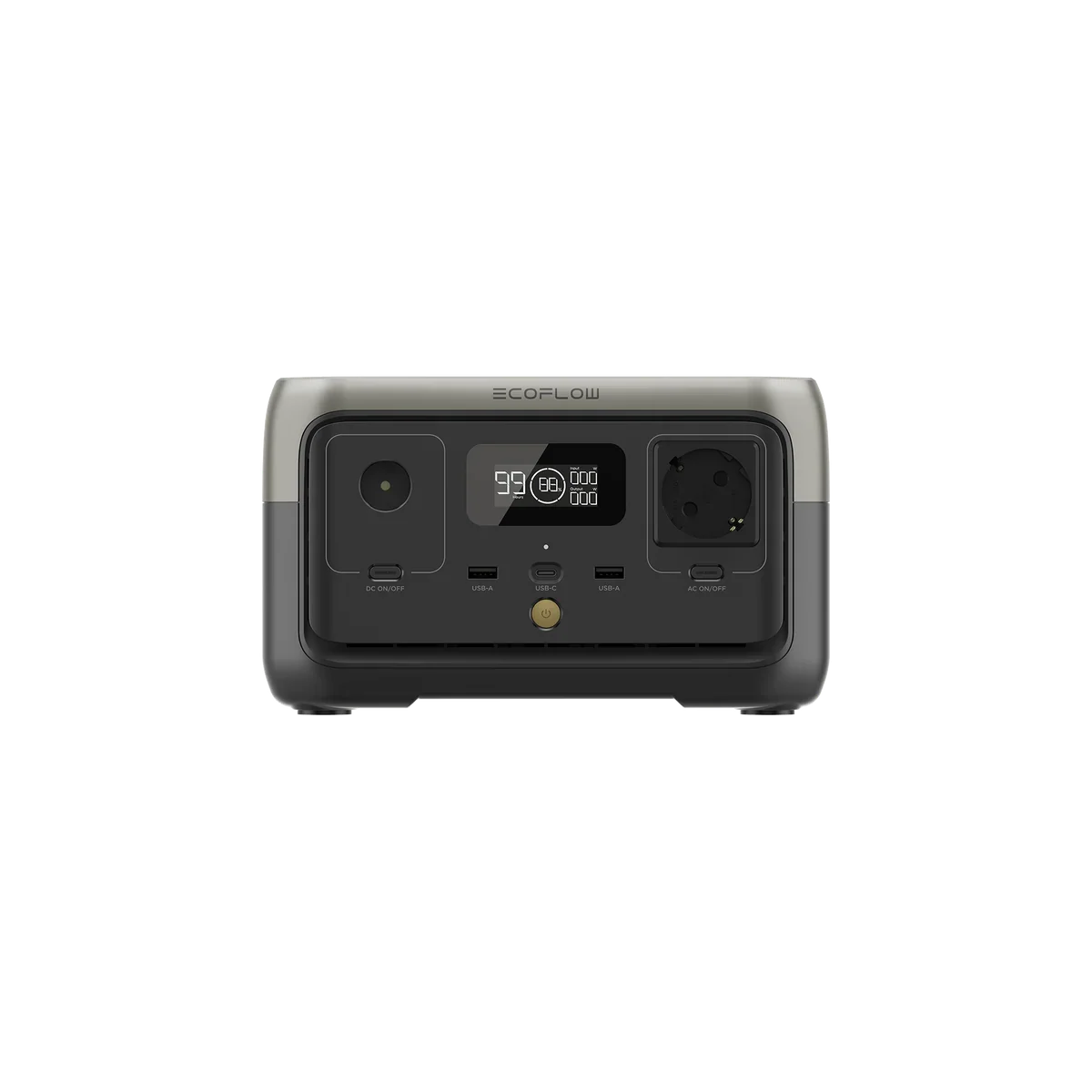
Across our catalog, Jackery averages cheaper energy per watt-hour (€0.62/Wh vs €0.63/Wh). But the gap is small and reverses by capacity class. Pick by class, not by brand.
Jackery and EcoFlow are the two best-known portable power station brands in Europe, and the most-confused-for-each-other in shopping comparisons. They occupy the same shelf at every retailer, target the same customer (campers, RV owners, occasional blackout buyers), and increasingly ship near-identical specifications. The marketing copy makes both sound essentially perfect.
Our angle is different: price divided by capacity in watt-hours. It is the only metric that compares stored energy fairly across formats, chemistries, and badge prices. Run that math against our live catalog and the picture sharpens immediately.
The math, by capacity class
Cross-brand winners flip depending on which class you are shopping. In the 1000–2000 Wh class — the sweet spot for most buyers — the cheapest Jackery and cheapest EcoFlow tend to trade leads month to month. In 2000+ Wh, the gap usually widens. In under 500 Wh and 500–1000 Wh, EcoFlow’s smaller units historically run cheaper, though Jackery’s v2 refresh has narrowed it.
Skip the generic "best brand" reviews. The honest answer is the table directly below.
When Jackery wins
- You want the longest cycle life on a budget. Jackery’s LiFePO4 v2 series rates 4,000 cycles to 80% — among the highest in the price band.
- You camp more than you blackout. Jackery’s case design is more rugged-tilted; pull handles and grip points feel built for being thrown into a vehicle.
- You don’t care about an app. Jackery’s app exists; it is not the brand’s main investment.
When EcoFlow wins
- You expect to expand capacity later. EcoFlow’s modular battery system is more mature; you can grow a Delta 2 into a Delta 2 + extra battery without buying a second unit.
- You will run solar regularly. EcoFlow units accept higher solar input on equivalent-class models.
- You want app-controlled scheduling, UPS-mode automation, or smart-home integration. EcoFlow has invested heavily here.
- Charging speed is your top priority. X-Stream still has a marginal edge in the larger models.
What both brands get right
- LiFePO4 chemistry as standard on current units.
- Pure-sine AC inverters that won’t fry sensitive electronics.
- 5-year warranties on the current generation.
- Enough USB-C PD ports to charge a modern laptop directly.
Where the math gets bumpy
Price-per-watt-hour does not capture everything. It ignores: surge wattage (a 1500W rated unit may briefly hit 3000W — relevant for motor-start loads), solar input speed, weight, port mix, and warranty actual-honour rates (which, anecdotally, both brands handle well). If you have a specific use case — running a CPAP for three nights off solar, powering a high-draw espresso machine, backing up a chest freezer — the spec sheet matters at least as much as the €/Wh number.
That said: most buyers overweight specs and underweight price. The math is brutally honest about which unit gives you more stored energy per euro. Start there. Filter by class. Then check the spec gaps that matter for your particular workload.
Head-to-head, by class
Cheapest in-stock Jackery vs cheapest in-stock EcoFlow at each capacity range. The marked winner is purely a €/Wh comparison.
Common questions
Real questions, answered against our live data.
Which is cheaper per watt-hour, Jackery or EcoFlow?
Based on the cheapest in-stock offer of every model in our catalog, Jackery averages €0.62/Wh per watt-hour versus €0.63/Wh for the other. The difference is small, and reverses inside individual capacity classes. Pick by class, not by brand.
Is Jackery or EcoFlow better quality?
Both brands ship industry-standard LiFePO4 chemistry on their current units, both use pure-sine inverters, both offer 5-year warranties on most products. Failure rates from public RMA data are within noise of each other. The meaningful differentiators today are app ecosystem, expandability, and surge wattage — not "quality" in a generic sense.
Does EcoFlow charge faster than Jackery?
Historically yes — EcoFlow's X-Stream AC fast-charge tech was the differentiator. As of 2025, Jackery's v2 line has closed most of the gap. Both flagship models now hit full charge in ~70 minutes from AC. If charge speed is your single priority, compare the specific units in the table below, not the brands abstractly.
Are they made in the same factory?
No. Both are Chinese OEM-design brands but with different manufacturers and different cell suppliers. Jackery uses CATL and EVE cells; EcoFlow uses CATL primarily. The visible design language is intentionally different. Performance characteristics overlap but are not identical.
Which brand has better solar input?
EcoFlow generally rates higher solar input wattages on equivalent-class units (e.g. 500W input vs Jackery’s 400W on a similar 1000Wh-class unit). If you plan to live off solar regularly, that matters. For occasional use, both are sufficient.
Browse the catalog